Pillows & Cushions

Ergonomic pillows, lumbar cushions, travel accessories and bundles — everything you need for better sleep and all-day comfort.

Filters

Pillows and cushions designed for how you actually sleep and sit

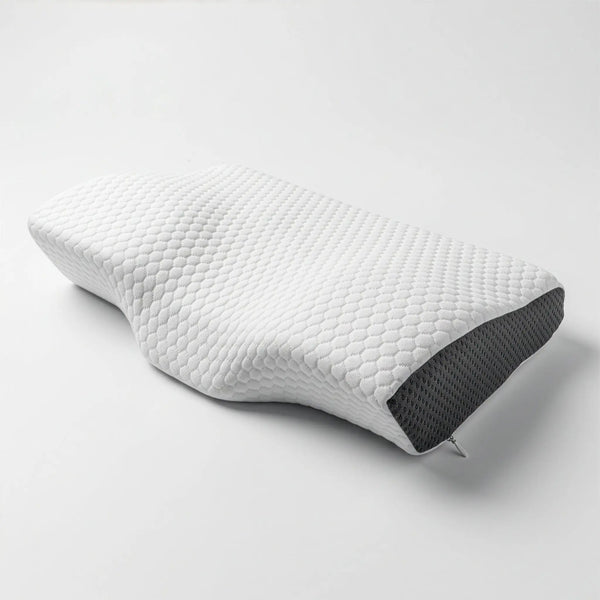
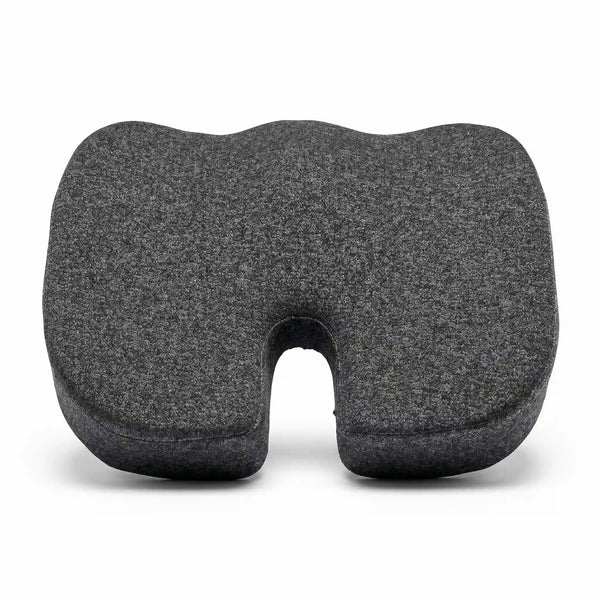
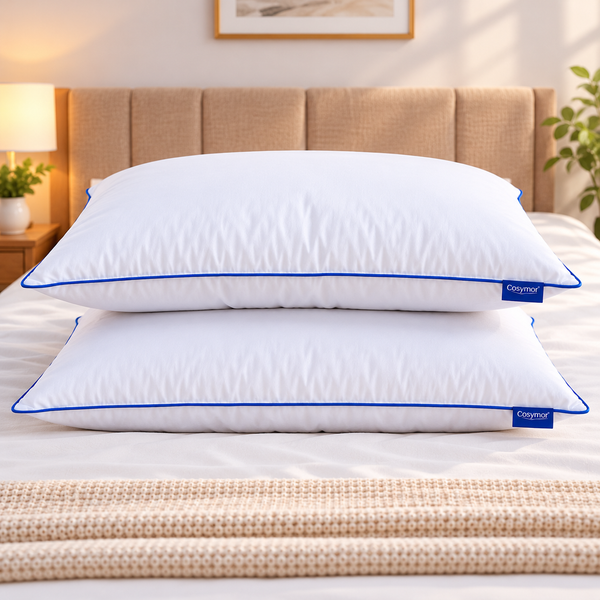
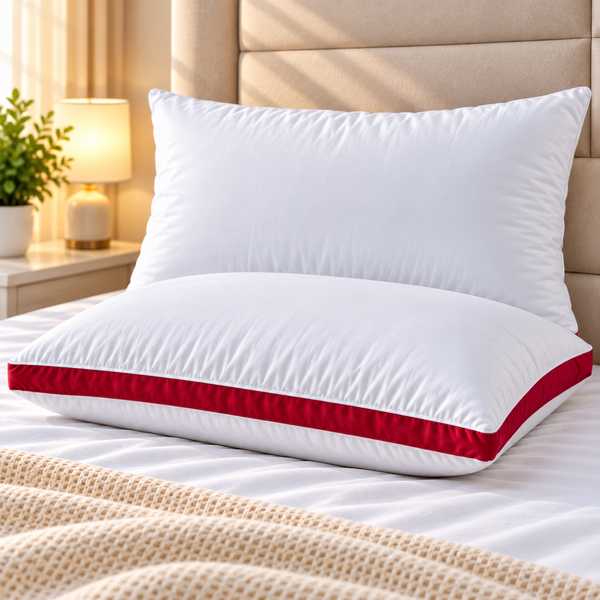
From memory foam pillows and orthopedic support to lumbar cushions and travel pillows, Cosymor's full pillow and cushion range is built around real support - high-density foam that holds its shape instead of flattening, shaped to match specific sleep positions, sitting postures and travel needs rather than a one-size-fits-all cushion.

Related Categories

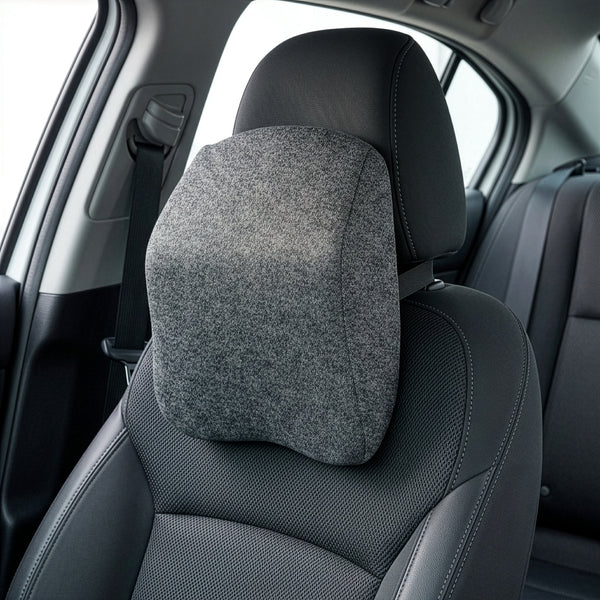
It depends on where the discomfort is and what you're doing. For everyday sleep support, a memory foam or orthopedic pillow is the starting point. For lower back or tailbone pain while sitting, a lumbar or coccyx cushion helps. For flights, trains and road trips, a travel neck pillow or car headrest cushion is built for that specific use. Most people end up with a combination rather than a single product covering everything.

All of Cosymor's orthopedic pillows are made from memory foam, but not every memory foam pillow is built as an orthopedic one. Standard memory foam pillows focus on general comfort and pressure relief, while orthopedic pillows add a specific contour or cervical shape designed to support spinal alignment and target neck pain or stiffness directly. If you have ongoing neck discomfort, the orthopedic range is the more targeted choice.

These solve different problems, so many people use both rather than choosing one. A lumbar cushion supports your lower back while sitting, at a desk, in a car, or anywhere you're seated for long stretches. A neck pillow supports your head and neck, either while sleeping at home or travelling. If your discomfort is in your lower back, start with a lumbar cushion; if it's in your neck and shoulders, start with a pillow.

Regular pillows are typically filled with loose fibre or down that compresses unevenly and needs constant fluffing to hold shape. Every Cosymor pillow and cushion uses high-density memory foam that contours to your body and holds that support through the night or the day, rather than flattening within weeks. The shapes are also purpose-built - contoured for necks, cut out for tailbones, wedged for elevation - instead of one generic shape trying to do everything.

Loft (height) should roughly match the gap between your head and mattress in your usual sleep position - side sleepers generally need a higher loft than back sleepers, and stomach sleepers usually need the lowest. Firmness is more about personal preference, but firmer support tends to hold its shape and alignment better over a full night than a very soft pillow, which can compress and lose support mid-sleep. If you're unsure, medium-firm with medium loft is a safe starting point for most sleep positions.

Across the range, yes - but not every individual pillow suits every position equally well. Side sleepers generally do best with higher-loft contour or cervical pillows, back sleepers with medium-loft orthopedic designs, and stomach sleepers with flatter, softer options. Check each product's description for its recommended sleep position, since the shape and loft are designed with a specific position in mind.